Posts

Showing posts with the label encryption-methods

Featured Post

Step-by-Step Guide to Creating an AWS RDS Database Instance

Image
 Amazon Relational Database Service (AWS RDS) makes it easy to set up, operate, and scale a relational database in the cloud. Instead of managing servers, patching OS, and handling backups manually, AWS RDS takes care of the heavy lifting so you can focus on building applications and data pipelines. In this blog, we’ll walk through how to create an AWS RDS instance , key configuration choices, and best practices you should follow in real-world projects. What is AWS RDS? AWS RDS is a managed database service that supports popular relational engines such as: Amazon Aurora (MySQL / PostgreSQL compatible) MySQL PostgreSQL MariaDB Oracle SQL Server With RDS, AWS manages: Database provisioning Automated backups Software patching High availability (Multi-AZ) Monitoring and scaling Prerequisites Before creating an RDS instance, make sure you have: An active AWS account Proper IAM permissions (RDS, EC2, VPC) A basic understanding of: ...
8 Popular Encryption Methods Real Usage

Image
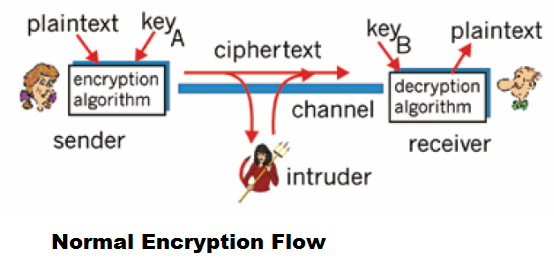
The process of replacing original data with special-characters is called an Encryption. A highly secured server handles the encryption and Decryption. You need a private key to decrypt the data. Else, you cannot decrypt the data. Private keys are two types. The sender uses one private key and the receiver uses one other private key. I have given in this post about 8 encryption methods. Flow Diagram of Encryption image courtesy by digit.in   Different Encryption Methods Classic Cipher Random Key Generation RSA Token Hash Functions Mac value - Message Authentication code Key Hash TLS Protocol Authenticated Cipher  1. Classic Cipher. The best example is this kind of algorithm was used in world war -II communication machines. 2. Random Key Generations. One kind of security. They use an algorithm that sends random numbers. People use that number as a password.  3. RSA Token. Every 30 seconds a token is generated. Mostly people use fo...