Featured Post

Step-by-Step Guide to Creating an AWS RDS Database Instance

Image
 Amazon Relational Database Service (AWS RDS) makes it easy to set up, operate, and scale a relational database in the cloud. Instead of managing servers, patching OS, and handling backups manually, AWS RDS takes care of the heavy lifting so you can focus on building applications and data pipelines. In this blog, we’ll walk through how to create an AWS RDS instance , key configuration choices, and best practices you should follow in real-world projects. What is AWS RDS? AWS RDS is a managed database service that supports popular relational engines such as: Amazon Aurora (MySQL / PostgreSQL compatible) MySQL PostgreSQL MariaDB Oracle SQL Server With RDS, AWS manages: Database provisioning Automated backups Software patching High availability (Multi-AZ) Monitoring and scaling Prerequisites Before creating an RDS instance, make sure you have: An active AWS account Proper IAM permissions (RDS, EC2, VPC) A basic understanding of: ...

How to Use For loop List Option Quickly

For loop is main concept in Python programming. Out of all the For Loop options, the list option is so popular. If you know, how to use this concept, you can write any number of programs quickly and with less effort.

Using for loop you can get index for list items. You can print list elements using for loop.

If you take any language, the loops play a vital role.
for loop using list in python

How to Use For Loop

When you want to deal with data of multiple values, you need loops. So, For Loop is so famous because, you can control multiple input values.

Syntax to Write For Loop

       
for i in my_list:
    print(i)


The 'i' says variable that represents value in the 'my_list'. The for helps to iterate the list values one by one.

Example Program For Loop List in Python

           my_list=[2,3,4]
           for i in my_list:
                print(i)       
 

Result

           2
           3
           4

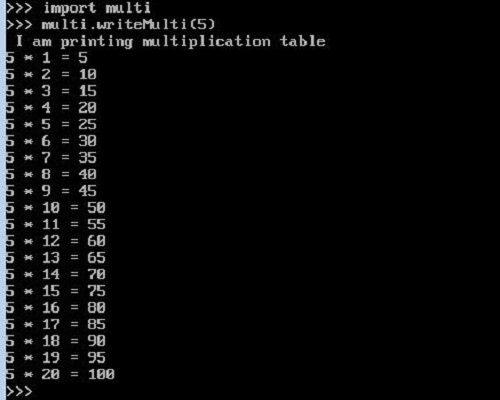
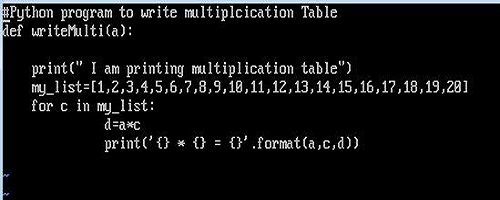
How to create Multiplication Table using Python For-Loop List Option.

Function to create table

Result of function that generated Multiplication Table 

 
how to create table in python
Creating multiplication table in python

Bottom Line

  1. You can use for loop to calculate Factorial and listing values one by one.
  2. Your input data contains multiple values, then For loop is so useful.

References

  1. SanFoundary for Python Sample Programs

Top Courses

Top Books
  1. Taming Python by Programming

Comments

Popular posts from this blog

Step-by-Step Guide to Reading Different Files in Python

SQL Query: 3 Methods for Calculating Cumulative SUM

PowerCurve for Beginners: A Comprehensive Guide