Featured Post

Claude Code for Beginners: Step-by-Step AI Coding Tutorial

Image
 Artificial Intelligence is changing how developers write software. From generating code to fixing bugs and explaining complex logic, AI tools are becoming everyday companions for programmers. One such powerful tool is Claude Code , powered by Anthropic’s Claude AI model. If you’re a beginner or  an experienced developer looking to improve productivity, this guide will help you understand  what Claude Code is, how it works, and how to use it step-by-step . Let’s get started. What is Claude Code? Claude Code is an AI-powered coding assistant built on top of Anthropic’s Claude models. It helps developers by: Writing code from natural language prompts Explaining existing code Debugging errors Refactoring code for better readability Generating tests and documentation In simple words, you describe what you want in plain English, and Claude Code helps turn that into working code. It supports multiple programming languages, such as: Python JavaScri...

4 Top Python Oops Concepts Simplify Your Coding

Oops concepts in Python explained in this post. Python supports Encapsulation, Inheritance, Abstraction, Polymorphism and Dynamic binding. These simplify your coding effort. I have given examples on Python Oops ( Object oriented) concepts.

python oops concepts

Python Oops (Object oriented) Concepts

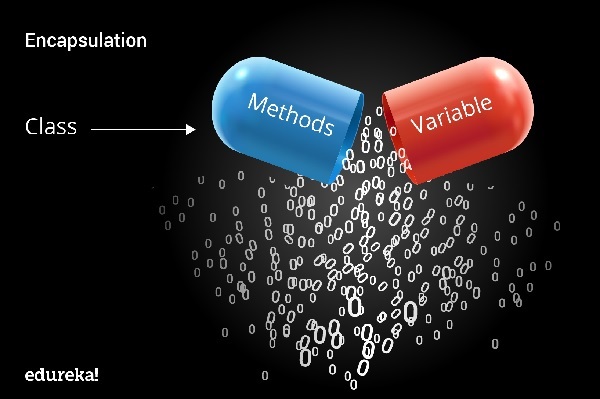
  1. Encapsulation
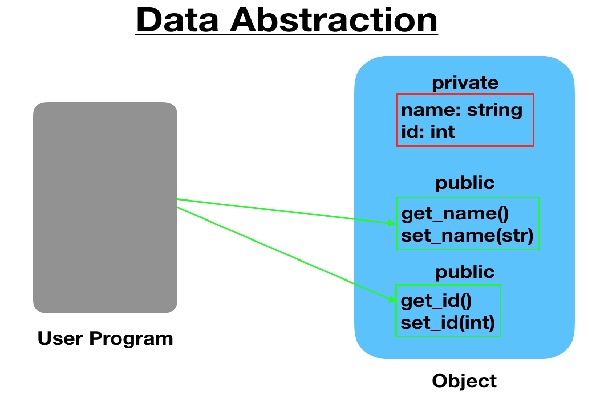
  2. Data hiding and abstraction
  3. Inheritance
  4. Polymorphism (overloading/overriding)
The fifth Python special property is Dynamic binding.

#1 Python Oops Encapsulation

Wrapping of data and functions in a single unit is called Encapsulation.

Encapsulation

#2 Python Oops Data Hiding and abstraction

User program refers to methods from an object is called abstraction. Keeping all the methods under one object called data hiding.

Abstraction

#3 Python Oops Inheritance

Inhering properties means, referring property of an object of a class from an Object of the other Class.

Inheritance

#4 Python Oops Polymorphism

Poly means many. The definition of one function can use for many. 

The best example is the "+" operator. You can use it for the addition of numbers, and concatenate of String. 

Polymorphism

#5 Dynamic Binding

Dynamically you can call one procedure during the execution of the main program is called Dynamic binding. 

Dynamic Binding

Comments

Popular posts from this blog

SQL Query: 3 Methods for Calculating Cumulative SUM

Step-by-Step Guide to Reading Different Files in Python

5 SQL Queries That Popularly Used in Data Analysis